1402 words | May 26, 2026
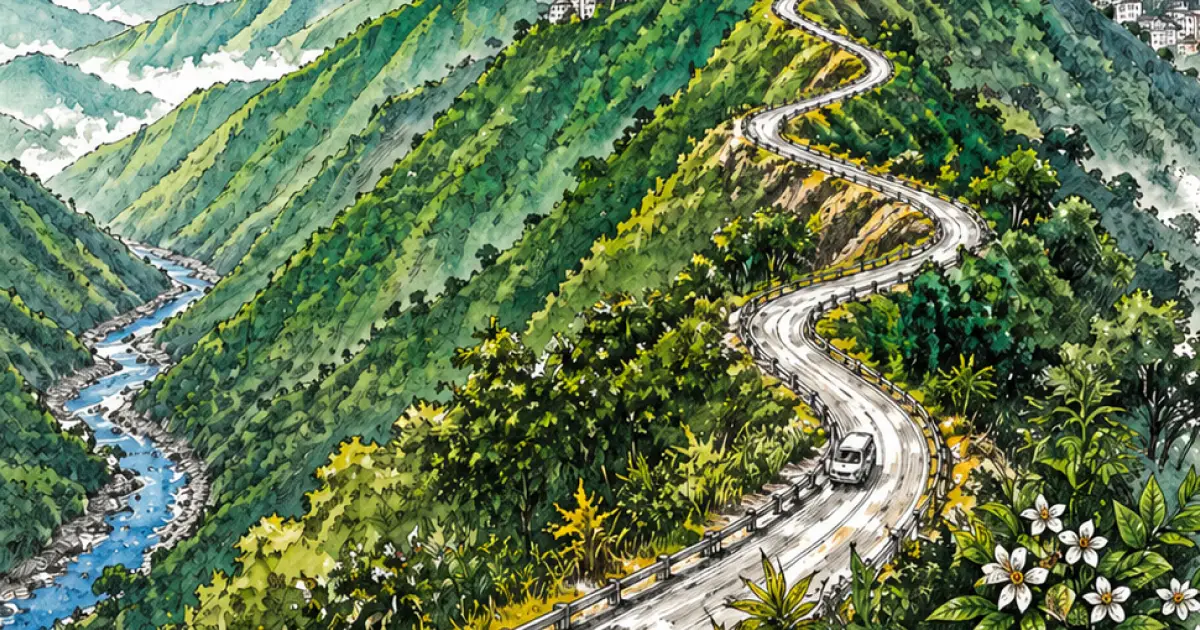
On the Hillridge Highways of Mizoram
A dispatch from the north-east, featured in our newsletter Issue 1, describes with vivid delight what happens when you travel to a place that has long inhabited your imagination.
Pankaj Saxena
4238 words | May 2, 2026
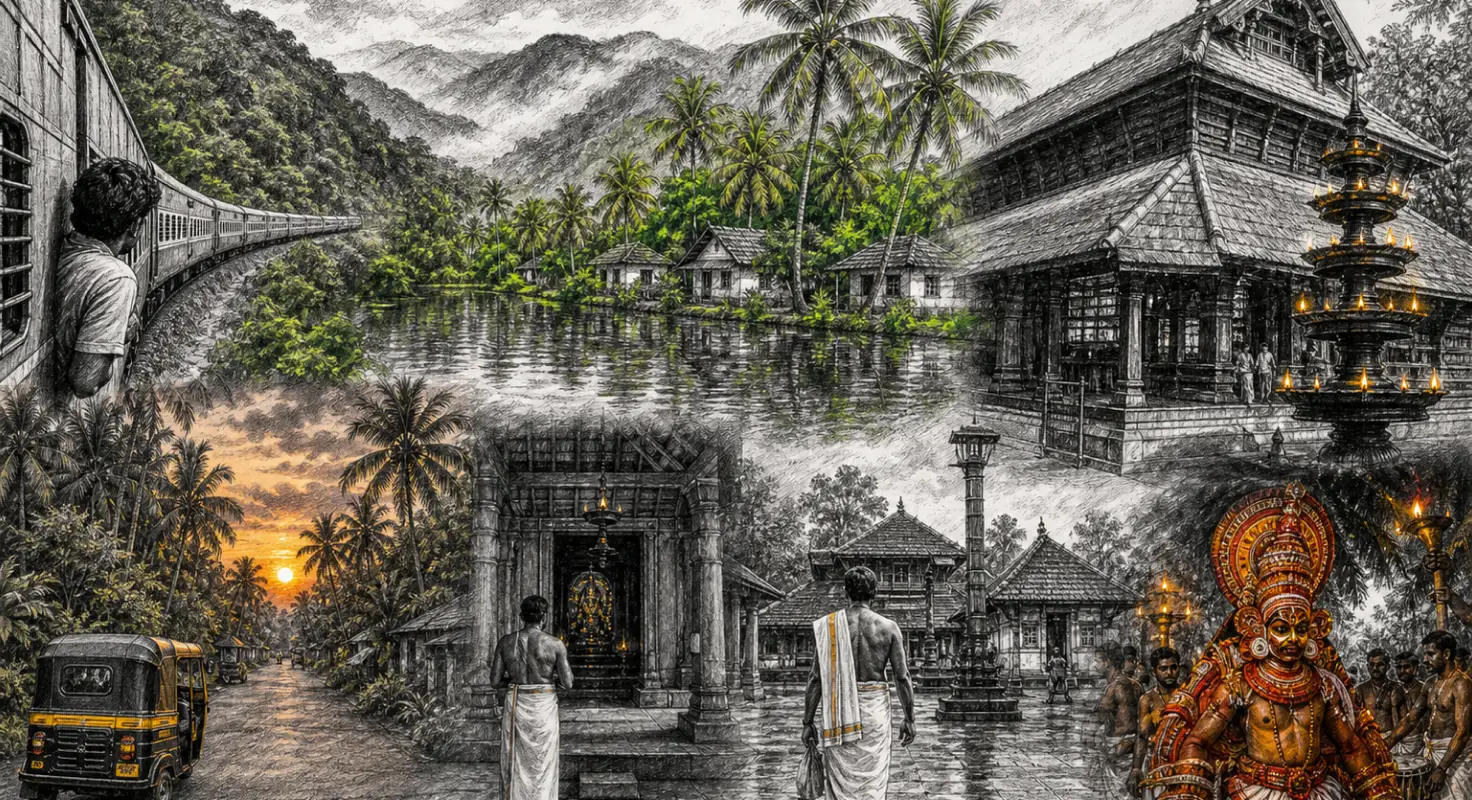
Kannur - Discovering the Sacred Heart of Kerala through Bodha Anveshi
A deeply personal and evocative travel narrative through Kerala, capturing the transformative beauty of India’s lush southern landscapes. Blending wanderlust, heritage, and introspection, with authentic insights into Kerala’s timeless traditions, temple culture, and scenic charm.
1753 words | Mar 8, 2026
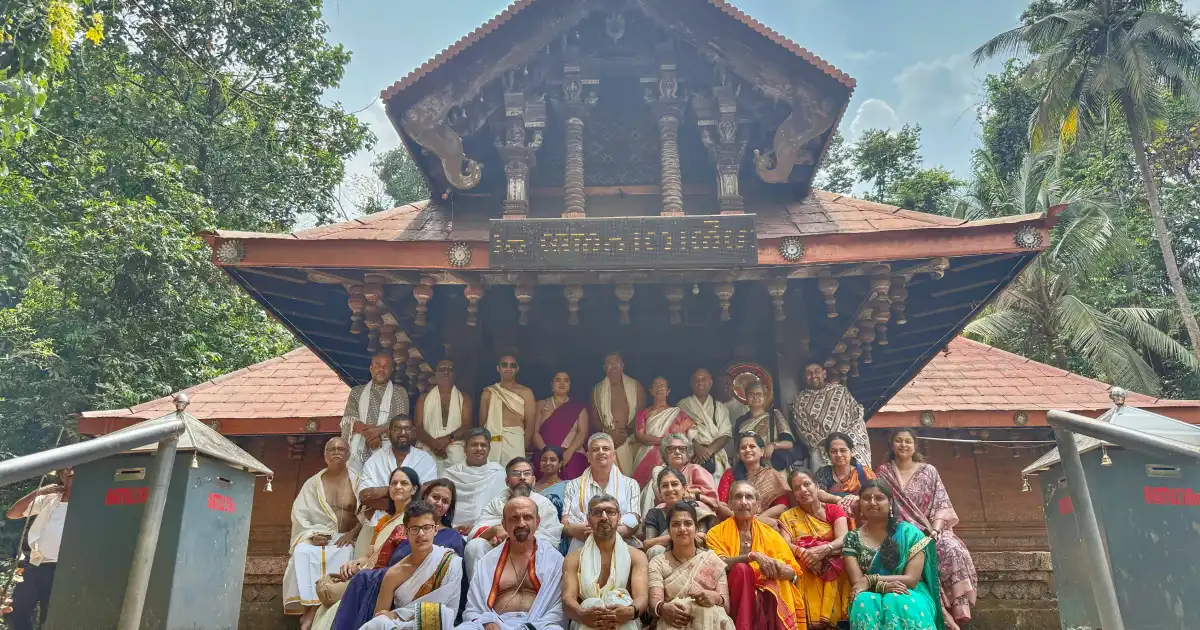
My Journey with Anveshi
The origin story of Anveshi, Bodha's structured temple-visit practice - how collective temple-going became a form of civilizational reconnection - and what it reveals about how living tradition actually perpetuates itself.
1408 words | Oct 12, 2024
Siddhidātrī | Navadurgā - Part 9
Ninth and final in the Navadurgā series - the theology and iconography of Siddhidātrī Devī - the granter of all siddhis, the form who completes the Navarātrī cycle and whose worship is the culmination of the entire nine-day journey.
Padmavathy Manavazhahan
1089 words | Oct 10, 2024
Mahāgaurī | Navadurgā - Part 8
Eighth in the Navadurgā series - the theology and iconography of Mahāgaurī Devī - the luminous, peaceful form that follows Kālarātri, representing the purity and grace that emerge after the destruction of all that is false.
1194 words | Oct 9, 2024
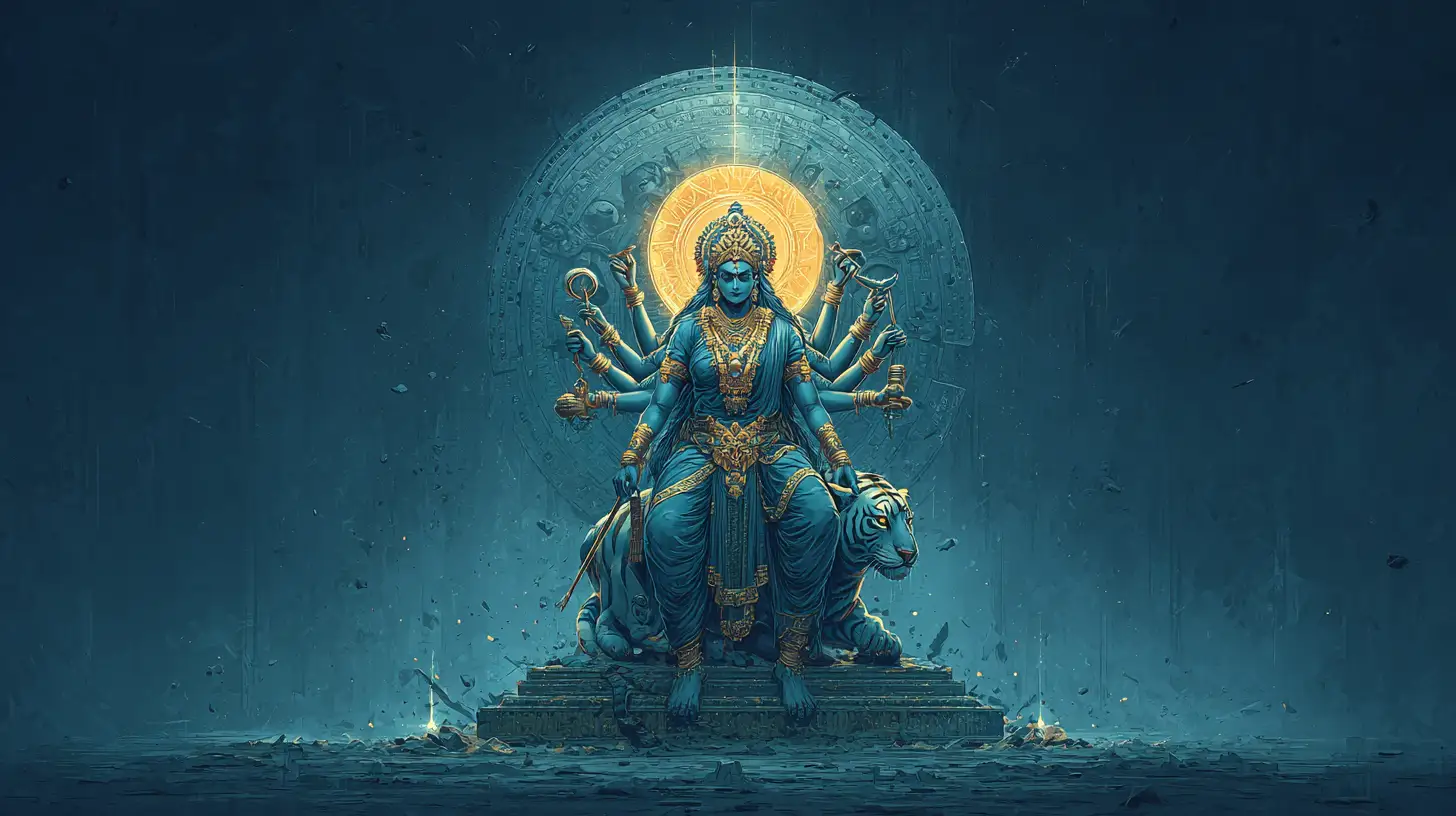
Kālarātri | Navadurgā - Part 7
Seventh in the Navadurgā series - the theology and iconography of Kālarātri Devī - the most fearsome form, destroyer of darkness and ignorance, whose terrifying appearance conceals absolute protection for the devotee.
1228 words | Oct 8, 2024
Kātyāyanī | Navadurgā - Part 6
Sixth in the Navadurgā series - the theology and iconography of Kātyāyanī Devī - the fierce warrior form born to destroy the demon Mahiṣāsura, and the deity invoked for strength in the face of civilizational threat.
908 words | Oct 7, 2024
Skandamātā | Navadurgā - Part 5
Fifth in the Navadurgā series - the theology and iconography of Skandamātā Devī - mother of Skanda (Kārttikeya), the form that holds together the energies of motherhood, courage, and cosmic order.
1471 words | Oct 6, 2024
Kūṣmāṇḍā | Navadurgā - Part 4
Fourth in the Navadurgā series - the theology and iconography of Kūṣmāṇḍā Devī - the form who created the universe with her smile, and who is propitiated for health, vitality, and the removal of darkness.
1141 words | Oct 5, 2024
Candraghaṇṭā | Navadurgā - Part 3
Third in the Navadurgā series - the theology and iconography of Candraghaṇṭā Devī - the warrior form whose crescent-bell emblem signals the transition from inner austerity to active, world-facing śakti.
1023 words | Oct 4, 2024
Brahmacāriṇī | Navadurgā - Part 2
Second in the Navadurgā series - the theology and iconography of Brahmacāriṇī Devī - the form of Durgā who represents austerity, renunciation, and the discipline through which the soul approaches the absolute.
1138 words | Oct 3, 2024
Śailaputrī | Navadurgā - Part 1
Opening the Navadurgā series - an introduction to the Navarātrī tradition followed by the theology and iconography of Śailaputrī Devī - daughter of the mountain, first of the nine forms, embodiment of primal śakti.
2258 words | May 6, 2024
The Difference Between Us - on One-life vs. Multiple-life Metaphysics
What actually separates the Hindu and Abrahamic worldviews at the deepest level is not ritual, theistic dimensions, or scripture but the one-life versus multiple-life metaphysical foundation - and the implications of that single difference ramify through everything.
Amritanshu Pandey
1156 words | Jan 7, 2024
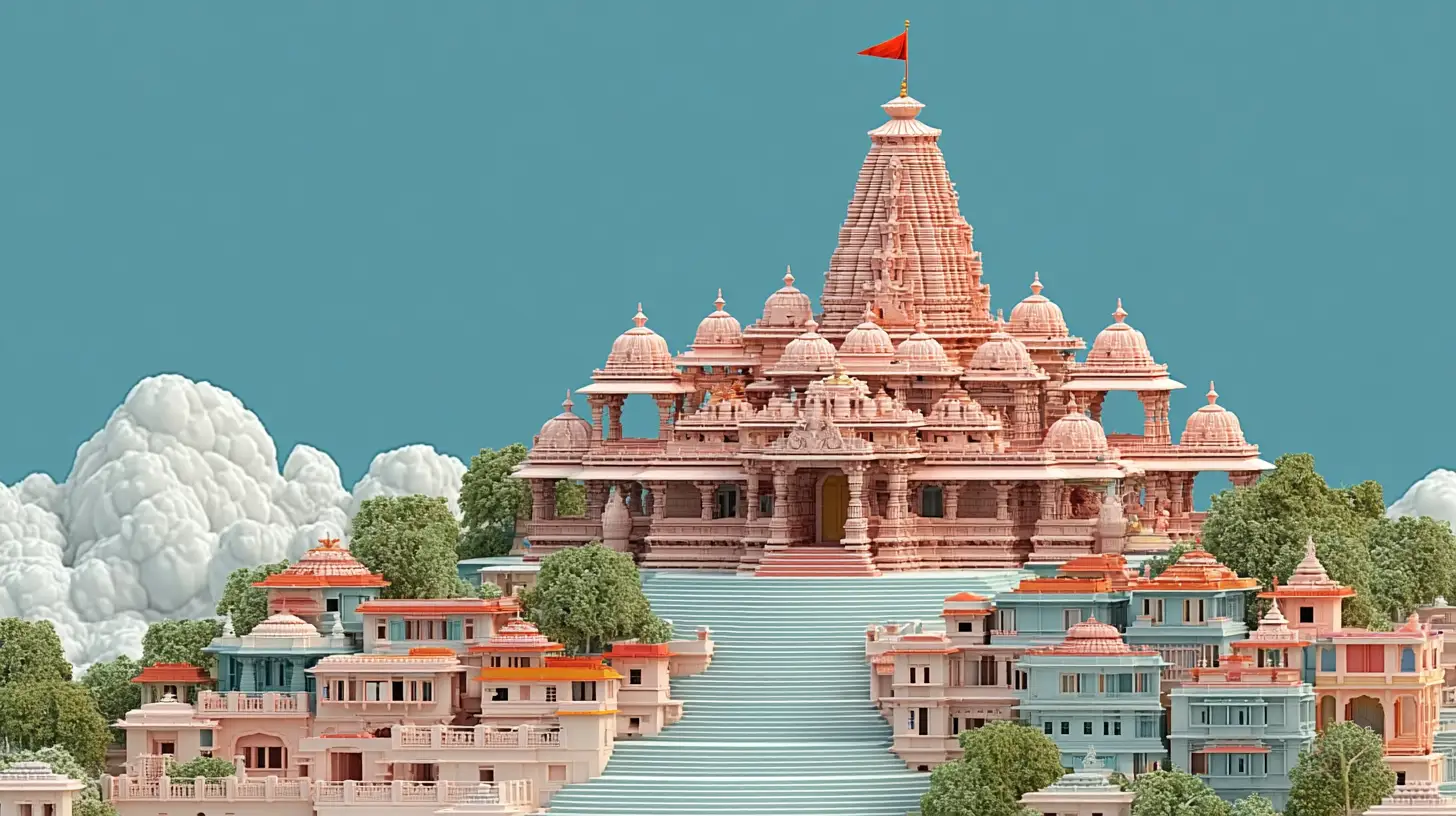
Ram Ayenge | Ayodhya Rama Temple Devotion and Hindu Awakening
A first-person account of the devotional groundswell preceding the 2024 Ayodhyā pratiṣṭhā - what a spontaneous civilizational awakening looks and feels like from the inside - and what it reveals about the living roots of Hindu consciousness.
2035 words | Dec 27, 2023
Hinduism in the Blind Spot - Part 2
Part 2 - continuing the diagnosis of why even well-meaning Western and westernized Indian intellectuals systematically fail to engage with Hinduism - and what a genuine encounter with it would actually require.
1152 words | Dec 25, 2023
Hinduism in the Blind Spot - Part 1
Part 1 - why Hinduism sits in the blind spot of open-minded, progressive Western intellectual discourse, from a structural failure of the secular liberal framework to perceive non-Abrahamic religion on its own terms.
1659 words | Nov 12, 2023
Śrī Rāma Comes Back to Ayodhyā
The Ram Janmabhūmi movement as civilizational memory rather than political campaign - how the 500-year struggle for Ayodhyā maps onto the deeper Hindu understanding of sacred geography and the permanence of divine presence in place.
875 words | Sep 16, 2023
Recollection - The Glory of Śrī Kṛṣṇa Janmāṣṭamī
A pilgrimage to Mathurā, the city of Kṛṣṇa's birth - how a journey through the geography of the Kṛṣṇa legend becomes a direct encounter with the living presence of the divine in place, available to anyone who knows how to look.
2414 words | May 28, 2023
Decolonizing Language
How colonialism froze the evolution of North Indian vernaculars by installing FATE languages (Farsi, Arabic, Turkish, English) as prestige languages - and what it would take to let them grow again.
1339 words | Mar 13, 2023
Turners of Time - How Hindu Festivals Rotate the Year
Holi and Hindu festivals as turners of time - how the festival calendar structures experience, transmits ecological wisdom, and keeps alive the felt relationship between human life and cosmic rhythm across generations.
1793 words | Nov 14, 2022
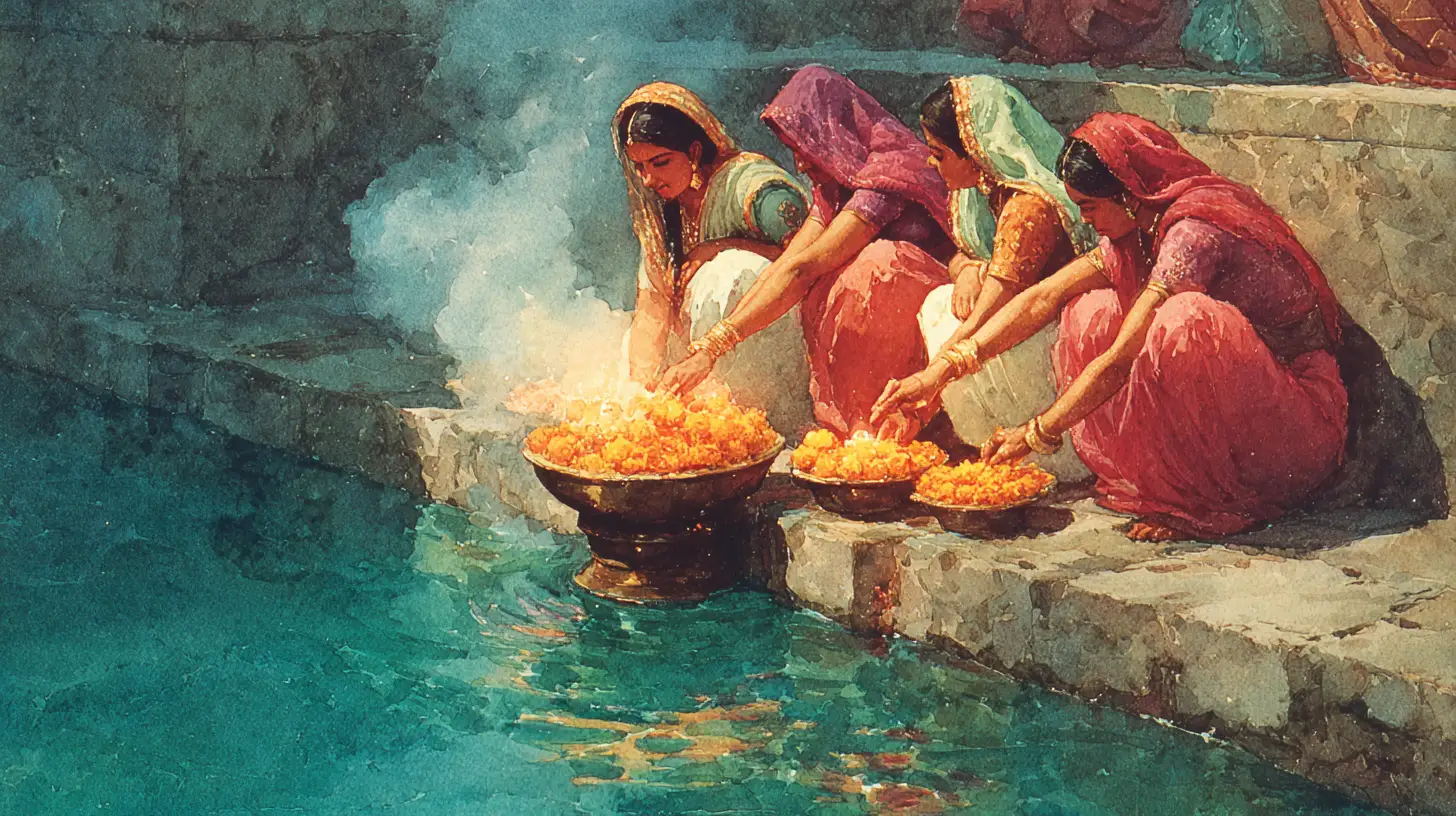
Chaṭh - a Living Tradition and Cultural Homecoming
Chaṭh as lived civilizational memory - a personal account of returning to Bihar for the festival, and what the survival of this demanding, water-centered rite reveals about the deep roots of Hindu devotional practice in the body and the land.
Akshay Jha
2126 words | Sep 25, 2022
Art and Meaning Making
Hindu aesthetics begins where Western aesthetics ends - the Indian tradition was interested in the effect of art on the soul, beyond the representation of reality, and this difference reveals two fundamentally incompatible metaphysical starting points.
1385 words | Sep 12, 2022
The Problem of Culture Transmission
Tradition is a living chain of transmission - an examination of the specific mechanisms by which Hindu civilization has carried its deepest knowledge forward, and where those mechanisms are breaking today.
2148 words | Sep 8, 2022
Towards Dharma-centric Polity - Lokmanya Tilak and the Universalization of Gaṇeśa Utsava
As dharma recedes from both personal life and public governance, what would a genuinely dharma-centric political order look like - and is it achievable within or only beyond the current Indian constitutional framework?
7436 words | Sep 2, 2022
Decolonization - A Personal Footprint and Some Ramp Ways
Decolonization as daily practice - a personal account of what it actually looks like to replace a colonial operating system of the mind - starting with the words you use, the foods you eat, the festivals you observe.
2425 words | Aug 19, 2022
Kṣetra, Śāstra, Utsava
On the axis connecting festival (utsava), sacred geography (kṣetra), and scripture (śāstra) - how Hindu festivals are to time what temples are to space - gradients of divine access that structure both the year and the land.
1813 words | Aug 15, 2022
Indian Civilizational Consciousness
Written on India's 75th Independence Day - a precise exposition of what 'Indian Civilizational Consciousness' actually means - and why it is the necessary foundation for anything India does next.
Loading search…